March 30, 2026
The Economics of Art Nobody talks about..
The economics of art is often reduced to numbers, fees, and transactions. But what remains unseen are the years of training, the emotional labor, and the quiet persistence that shape an artist’s journey. This reflection explores the value systems we inherit—and the ones we begin to question.
By Mansee Singhi
March 30, 2026
March 30, 2026 | By Mansee Singhi
March always brings a quiet kind of chaos. The season changes — winter fades, and longer, lighter days begin to return. But along with spring comes something else: tax season. A time to look back at a year of numbers, profits and losses, and the financial realities that shape an artistic life. It is also when certain questions grow louder than usual.
“But this is just a hobby — right?”
I feel it when I hesitate before announcing new class prices. When studio rental costs are higher than what I earn from teaching. When carefully designed packages for new students still feel like they need justification. These are the quieter realities of sustaining an art practice today.
The Hidden Cost
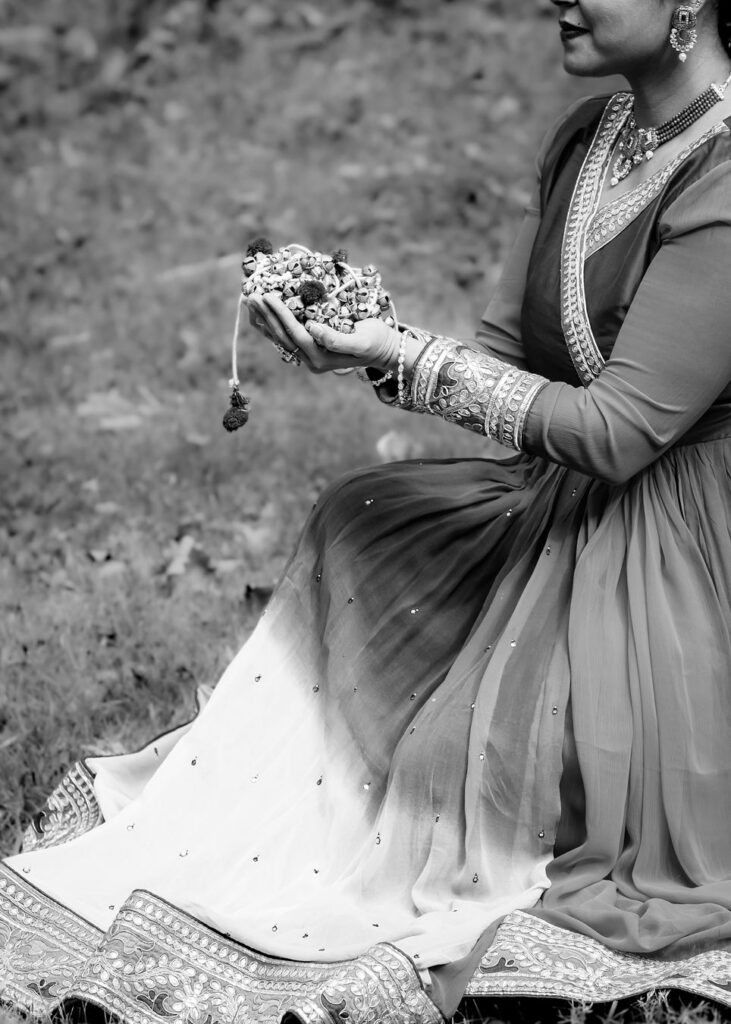
What the audience sees may last minutes — maybe an hour. But what supports it takes months. There are obvious costs: studio rentals, musicians, costumes, travel, logistics. And then there are the quieter ones: emails, planning, promotions, website updates, marketing — work that continues year-round. Beyond all of this is something harder to measure: emotional labor. The energy it takes to plan, adjust, manage uncertainty, and hold everything together.
Devotion is visible on stage. Infrastructure is not. But it is this invisible structure that makes the art possible.
Passion vs Profession
It often starts like this:
“What do you do for a living?”
“I’m a dancer. An artist. A choreographer.”
There is usually a pause.
Then comes the follow-up:
“But what is your actual job?”
For many artists, this is a familiar moment.
Art is still often seen as something you do for passion — alongside a “real” job. Choosing it as a full-time profession can be hard for people to understand.Not because it lacks rigor — but because it doesn’t look like a conventional career. Income can fluctuate. Timelines are uncertain. The path is rarely linear. But the commitment is real. The discipline is constant. The choices are intentional. The question is not whether art can be a profession. It is whether we are willing to recognize it as one.
For those who live this life, art is not separate from survival. It is how life is built — carefully and consistently.
The Balancing Act
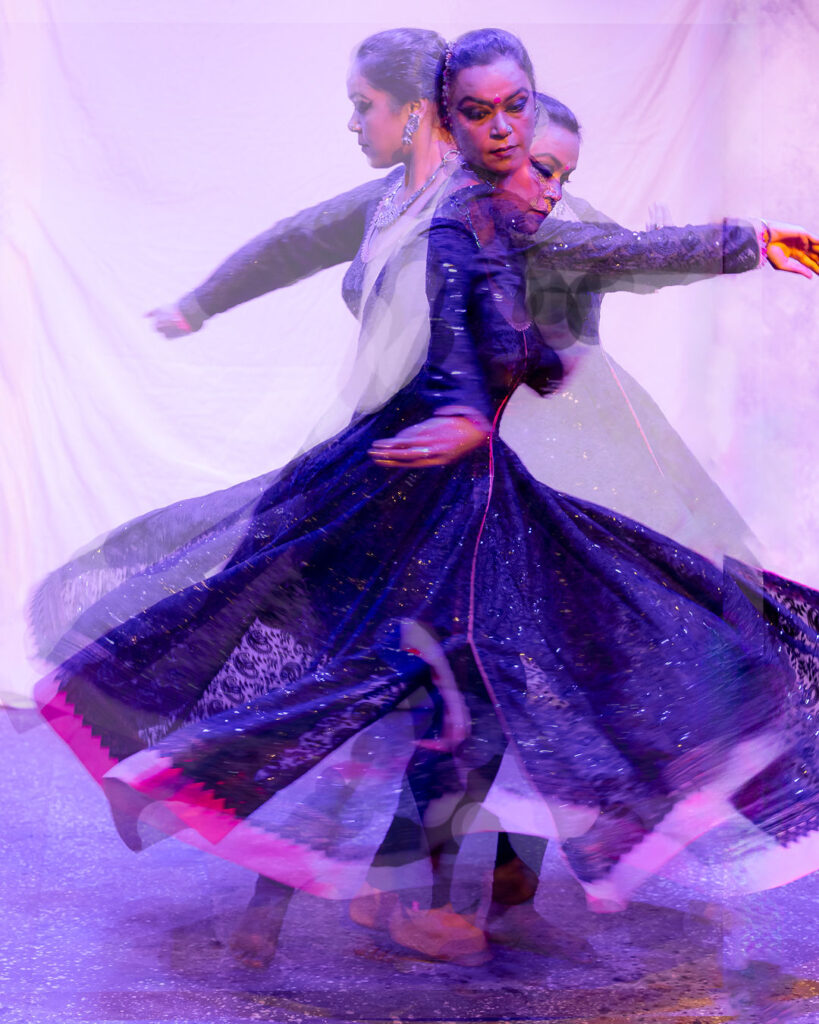
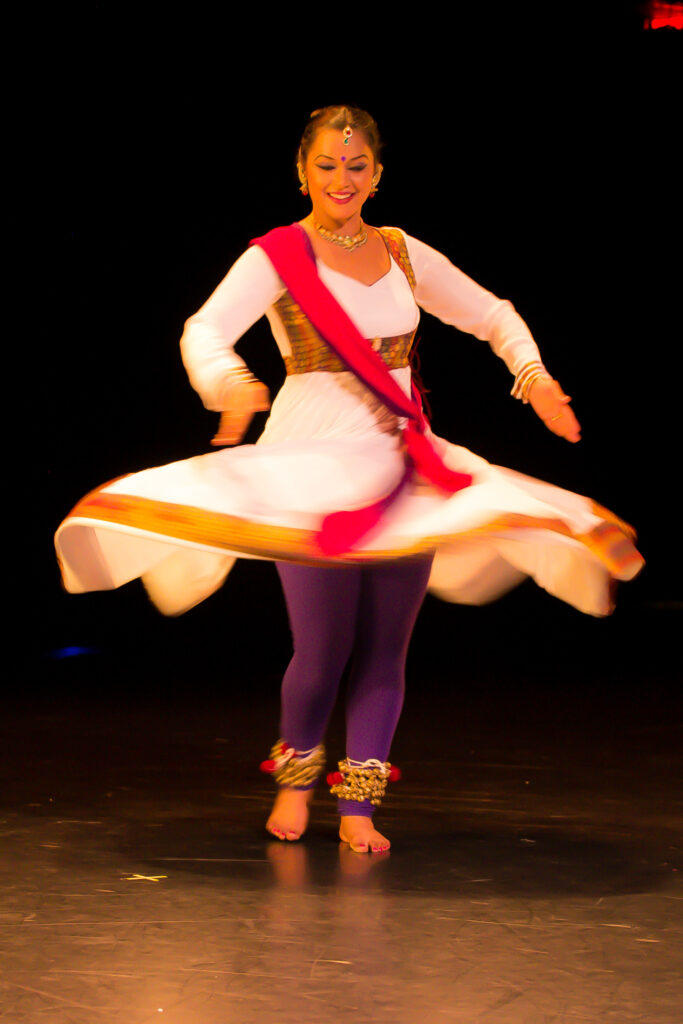
Living with financial uncertainty has a quiet but deep impact. It changes how you create. Risk-taking becomes cautious. Energy becomes something you manage, not expand. Even self-worth can start to feel tied to opportunities, responses, and income. Anxiety doesn’t always arrive suddenly. It builds slowly — through unanswered emails, unclear outcomes, and the constant question of sustainability. Creation can begin to feel fragmented. What once flowed freely becomes hesitant.
Rejection, which is already part of the process, starts to feel heavier — less like redirection, more like instability. Even rest changes. It no longer feels like pause — it feels like something slipping away.
And yet, this is where awareness begins of how deeply survival shapes creativity.
Reframing Economics
Over time, I have started to see finances differently — not just in terms of affordability, but sustainability. The question is no longer: How can I make this as low-cost as possible?
It is: How can I sustain this with integrity over time?
Pricing is not just a number. It reflects years of training, knowledge, time, and responsibility. What is shared with the community is not just a result — it is a process. One that requires planning, consistency, and care. Structuring that process well is not making art “commercial.” It is making it sustainable.
There is an exchange happening — of time, energy, attention, and experience. Recognizing that exchange does not reduce the art. It allows it to continue. Passion builds the foundation but sustainability keeps the doors open.
Closing
If this reflection resonated with you, you’re welcome to return next month. I share one piece each month—quiet notes from practice and life.