
The Email That Said ‘We Regret to Inform You’
Mansee Singhi, January 2026
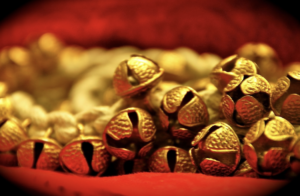
On a Friday morning, after an early breakfast and a yoga workout, my body was warmed up. Blood was flowing, pumping—ready to settle into the daily riyaaz (practice) of Kathak. I felt positive and healthy, eager to dive into footwork and then challenge myself with a complicated movement phrase that demanded a precise body alignment.
Midway through practice, I suddenly felt the urge to revisit a choreographic routine from my earlier training years. While searching my email for the music score, I came across a folder titled “Rejection.”
***Reflective close***
When serendipity strikes, a box of worms opens.
That moment brought a powerful epiphany. I paused, drawn to open the folder and revisit the many moments of rejection in my life. As I carefully reread each episode, a persistent question surfaced—rejection versus self-worth. A doubt that lingered each time, quietly questioning my value system.
***Reflective close***
When rejection arrives quietly, how do we let it pass without allowing it to define us?
As an art-maker, I have lived the waiting game—anticipating approvals and bracing for rejections. These messages arrive at unexpected moments: between school drop-offs, during work hours, while preparing dinner, or even during a divine visit to the shrine. Over time, rejection became a printed memory, carrying everything that once represented you.
How do artists emotionally prepare—or do we at all?
Every artist creates, and with creation comes innovation. We evolve through knowledge and skill, constantly questioning passion and purpose. Refusals often lead to disappointment. How often have artists allowed disappointment to exist without turning it into self-blame? Am I true, honest, and transparent with my form and my work?
This is where refusal feels personal—because art is personal. The emotional investment we place in our work, and the expectations we attach to its reception, need careful negotiation for a healthy artistic journey.
***Reflective close***
Art stays forever, even when doors close.
As I sat with these rejections, I realized I needed a way to look at my work without judgment. Critical Response Theory (CRT) helped me analyse both the objective and subjective narratives of my work. Reframing “not selected” to “not aligned” shifted my perspective and brought a sense of clarity and calm.
The anchor, then, becomes the divine connection cultivated through sādhana—the structured discipline an artist follows in pursuit of bliss. Skills, discipline, lineage, and integrity endure. So does the inner confidence built through endurance, reminding me daily—through mental, physical, and emotional practice—not to let rejection or refusal become my identity.
***Reflective close***
Rejection took opportunities, not my belonging in the art.
Perhaps the work was never meant to be chosen—
only continued.
If this reflection resonated with you, you’re welcome to return next month. I share one piece each month—quiet notes from practice and life.